About
About this site
An independent study site on the philosophy of reality, built around one book and the long argument about what exists.
What it is
The starting point is David Deutsch's The Fabric of Reality (1997), with three chapters of The Beginning of Infinity (2011) and the constructor theory he develops with Chiara Marletto. One page sets out his view. Each major thinker then gets a page of their own, setting out the view, the argument for it, and where it meets and parts from Deutsch.
It is the fifth in a family, after Philosophy of Time, Philosophy of Mind, Philosophy of Free Will and Philosophy of Knowledge. Each of those assumed an answer to the question this one asks: what is there? Its last section draws the five together.
Who made it
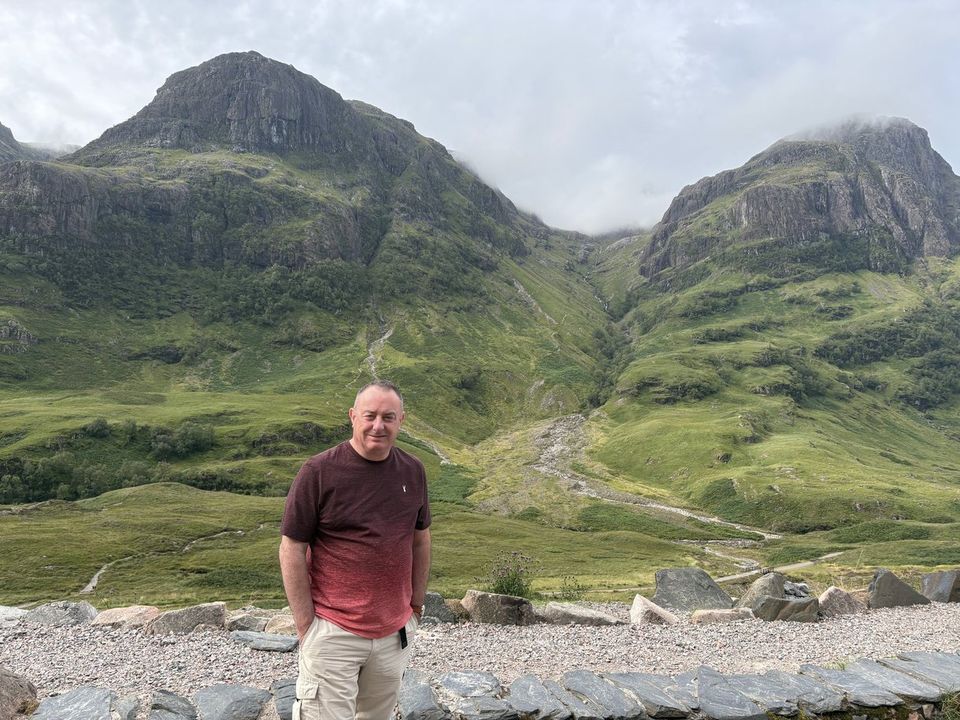
I'm Tim Stephenson. I built this site to work through Deutsch's account of reality properly: to follow the argument from Johnson's stone to the multiverse step by step, and to see how it stands against what others have said, from Parmenides to the simulation argument. It is an independent project. If you think I have got Deutsch, or anyone else, wrong, I would like to know.
Sources and copyright
- Deutsch's books, and those of the other living authors discussed, are in copyright. The site summarises them in its own words and quotes at most one short passage from any copyrighted source on any page.
- Where a modern author is set off in a quotation box, the words are our paraphrase, marked "after".
- Ancient fragments are our own translations, cited by their Diels–Kranz numbers. Plato, Aristotle, Galileo, Leibniz and Kant are given in our own renderings; Berkeley is quoted directly.
- Several interactive figures simplify the physics they illustrate. The paths on the Bohm page and the timescales on the Penrose page are schematic, and say so.
- Book links on the reading page are plain links, not affiliate links.
Images
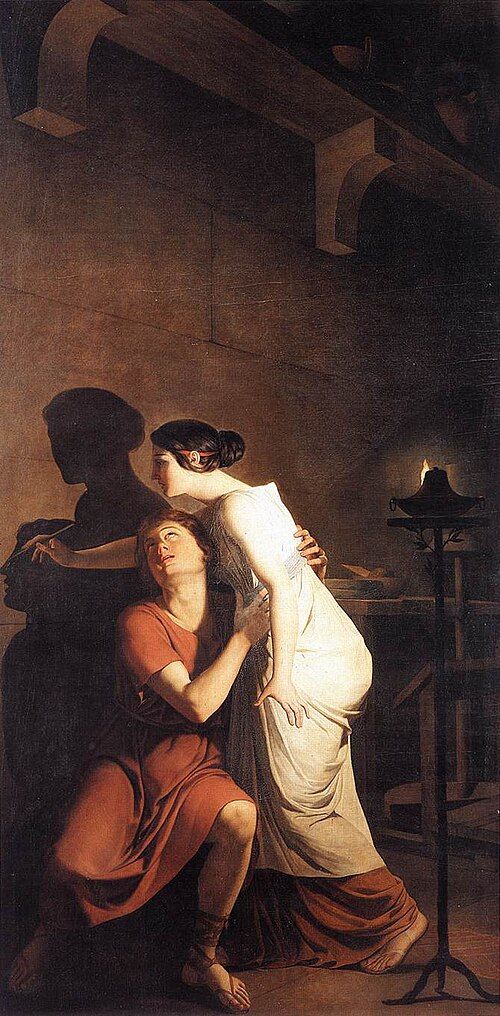
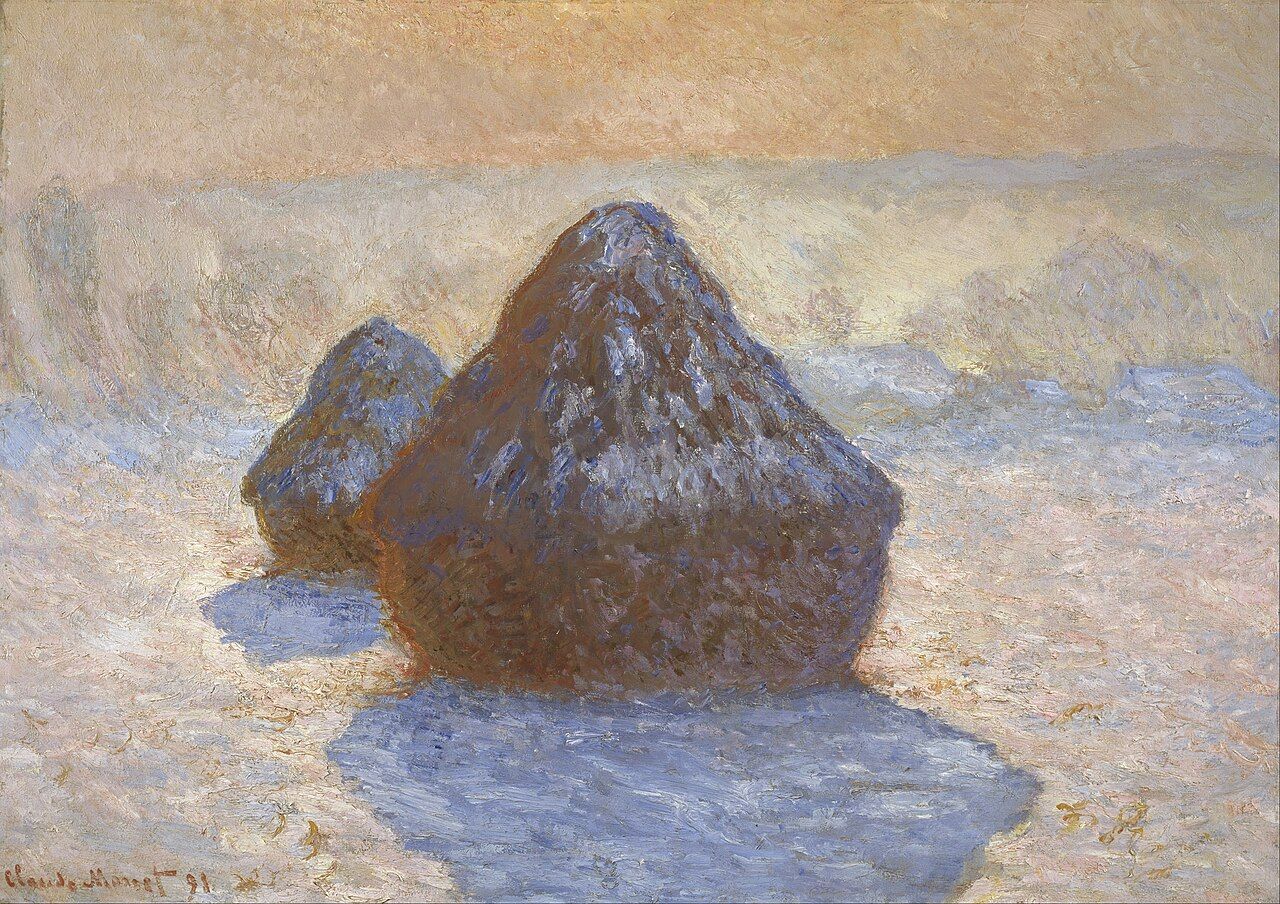
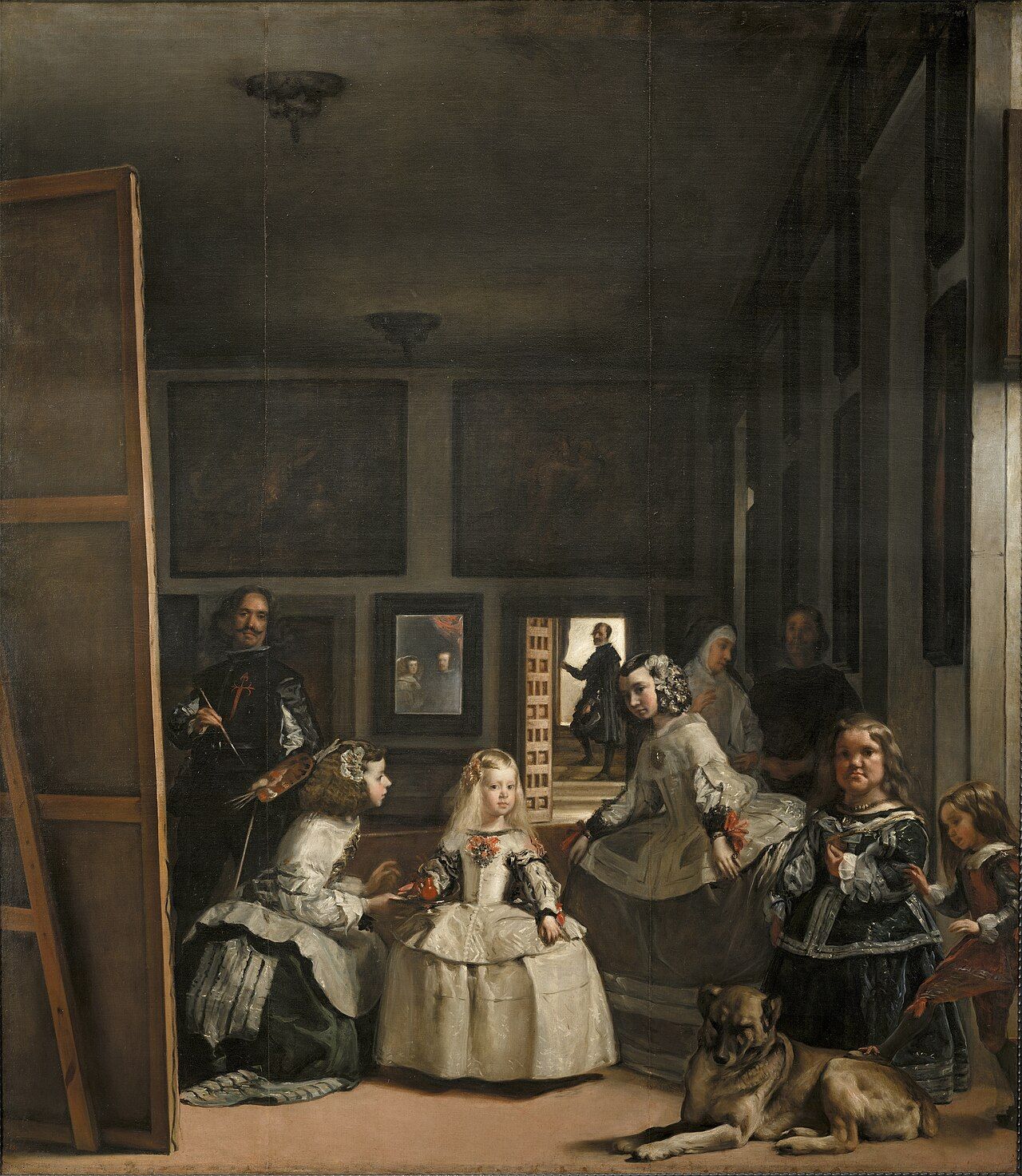
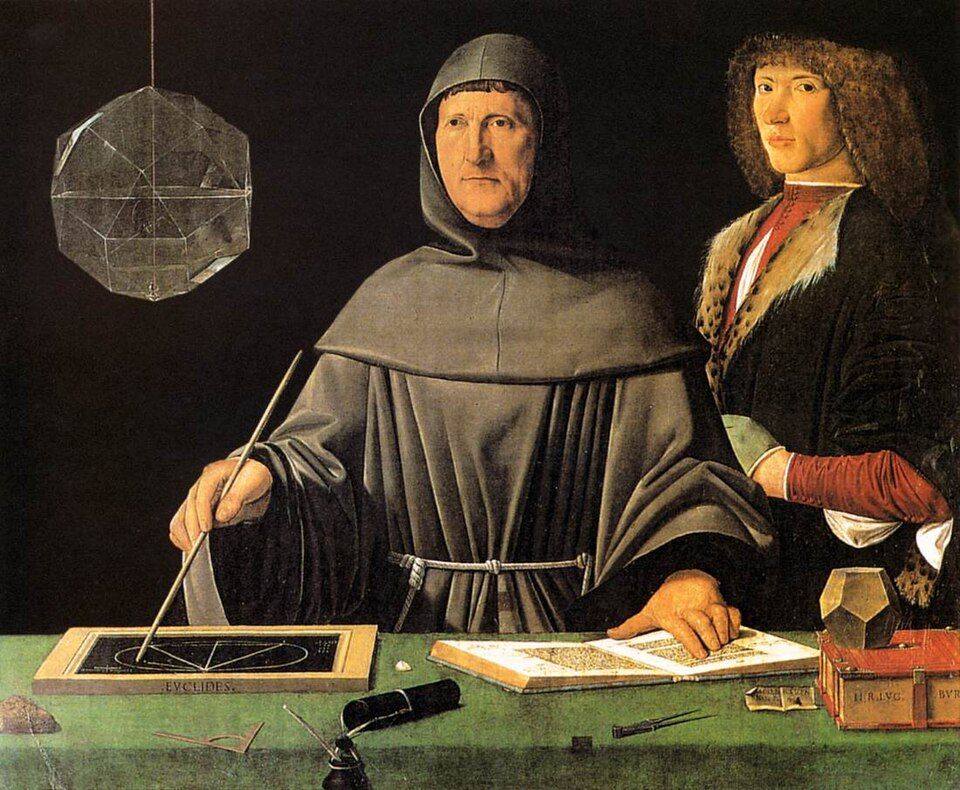
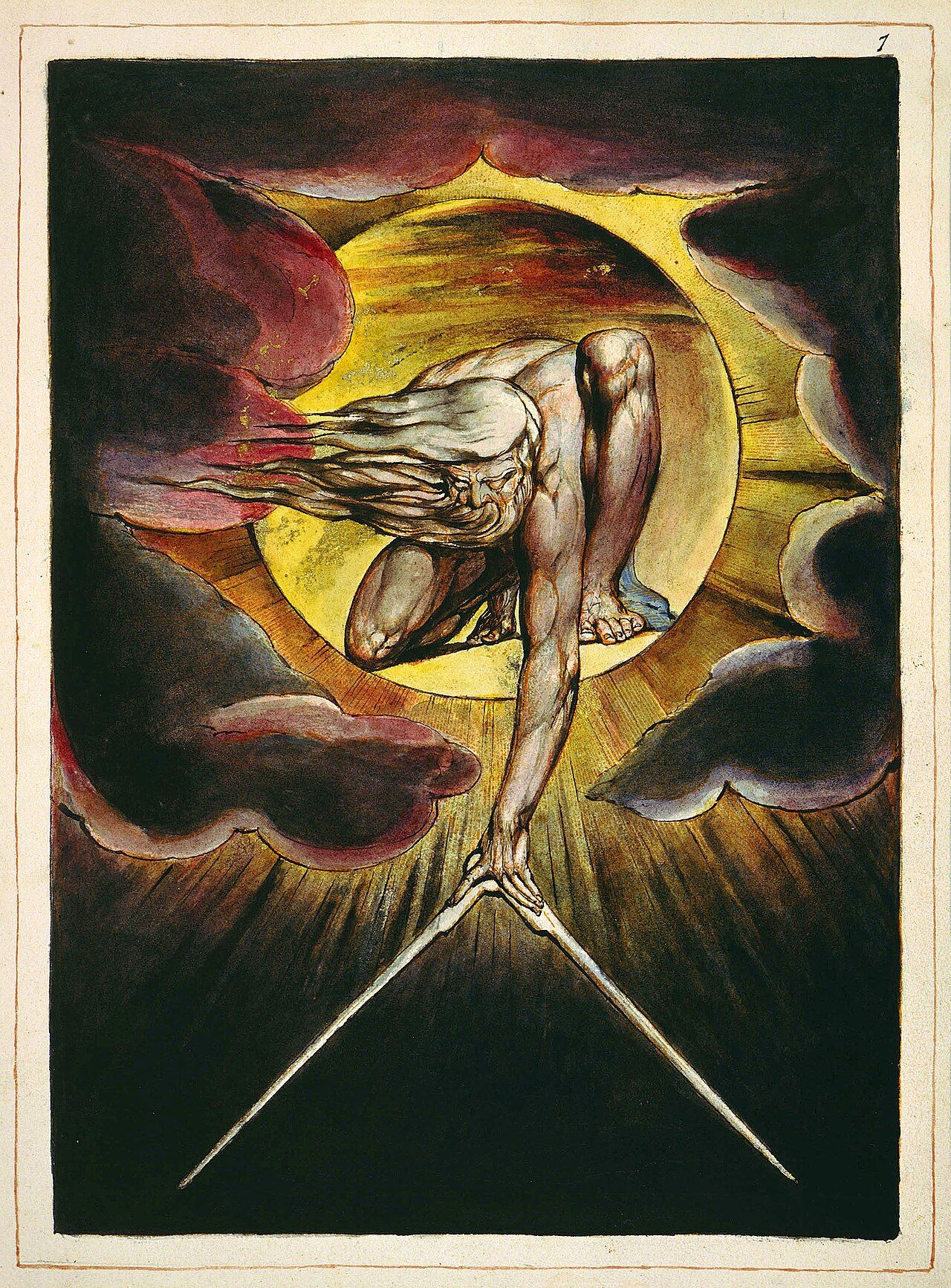
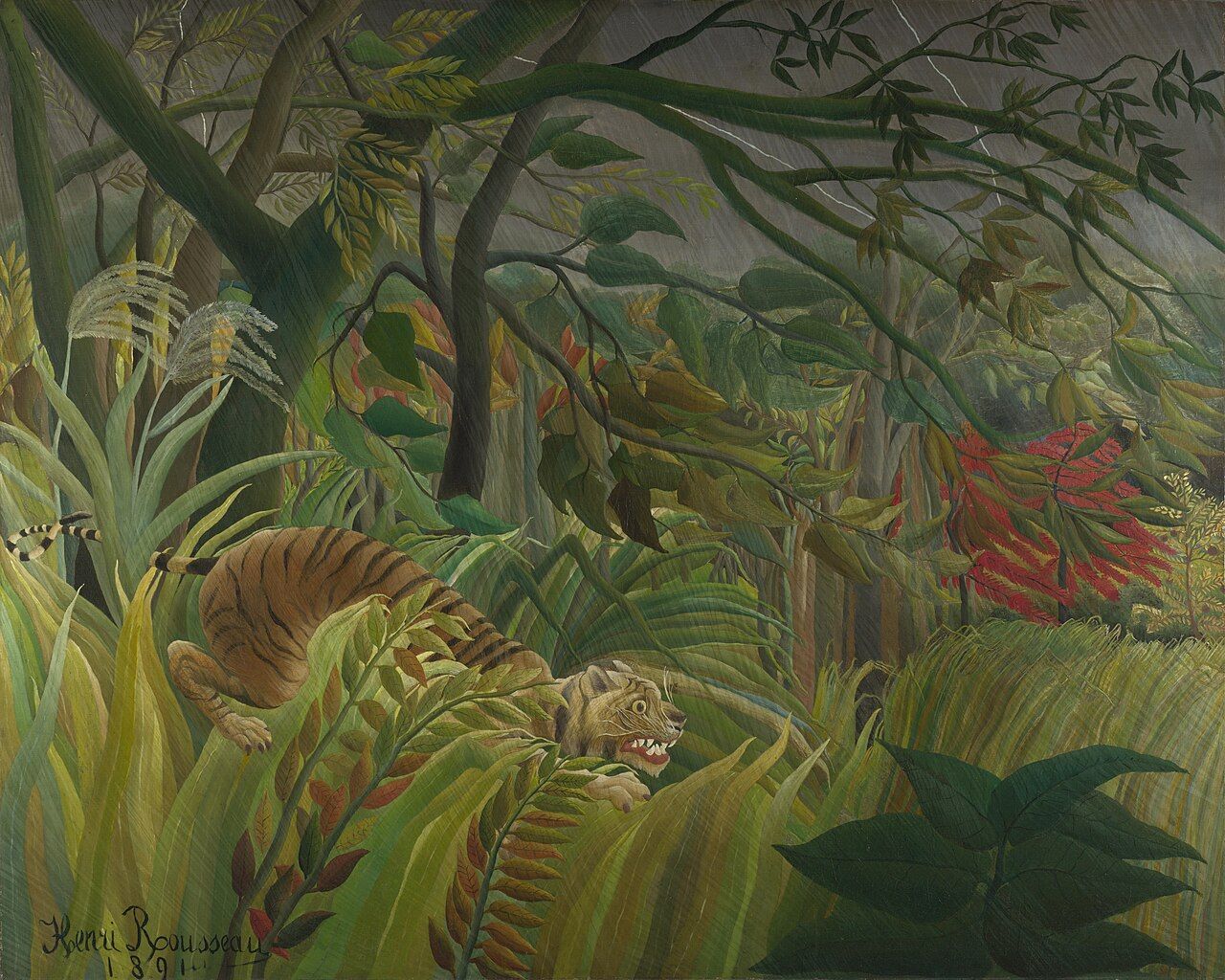
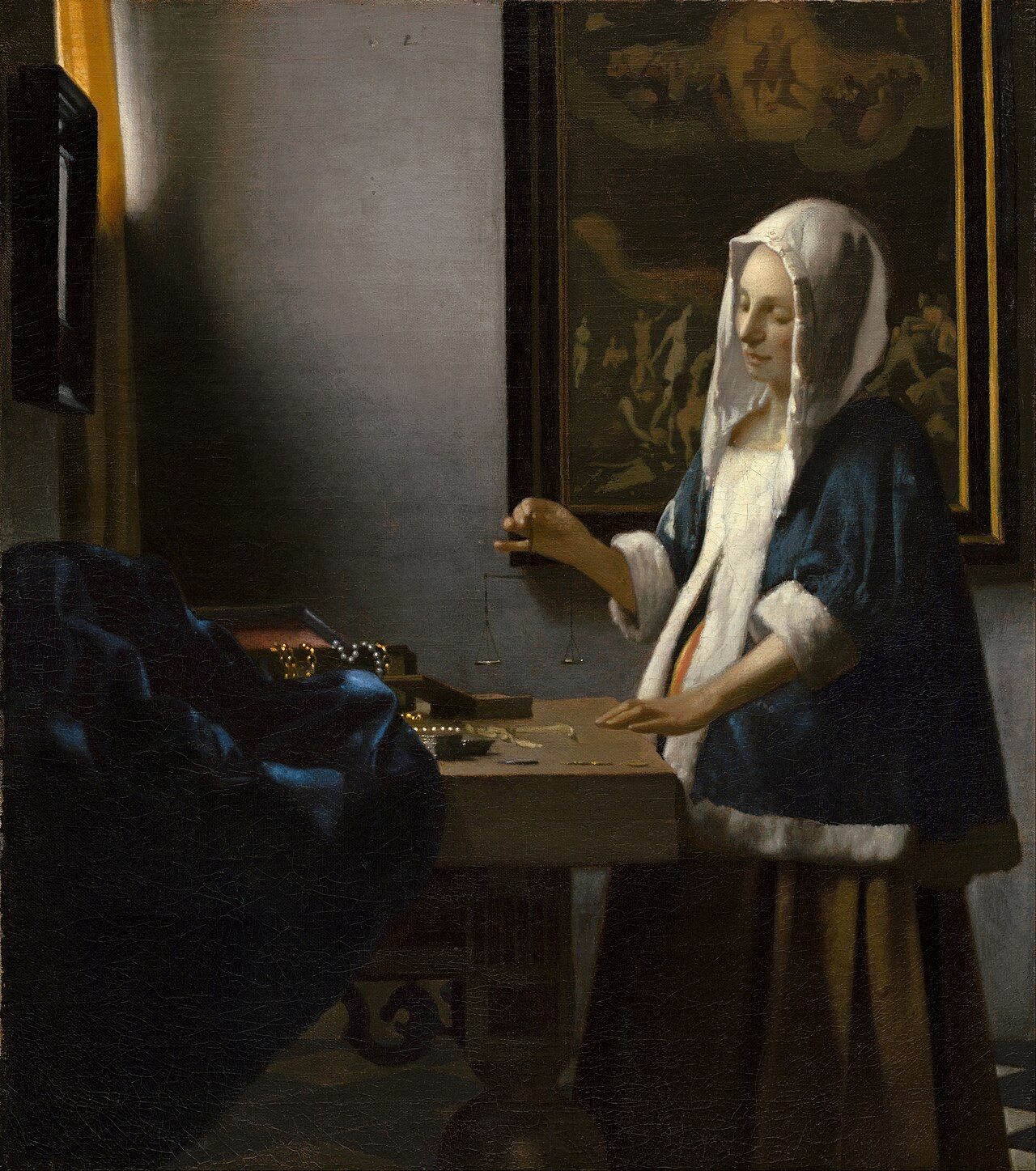
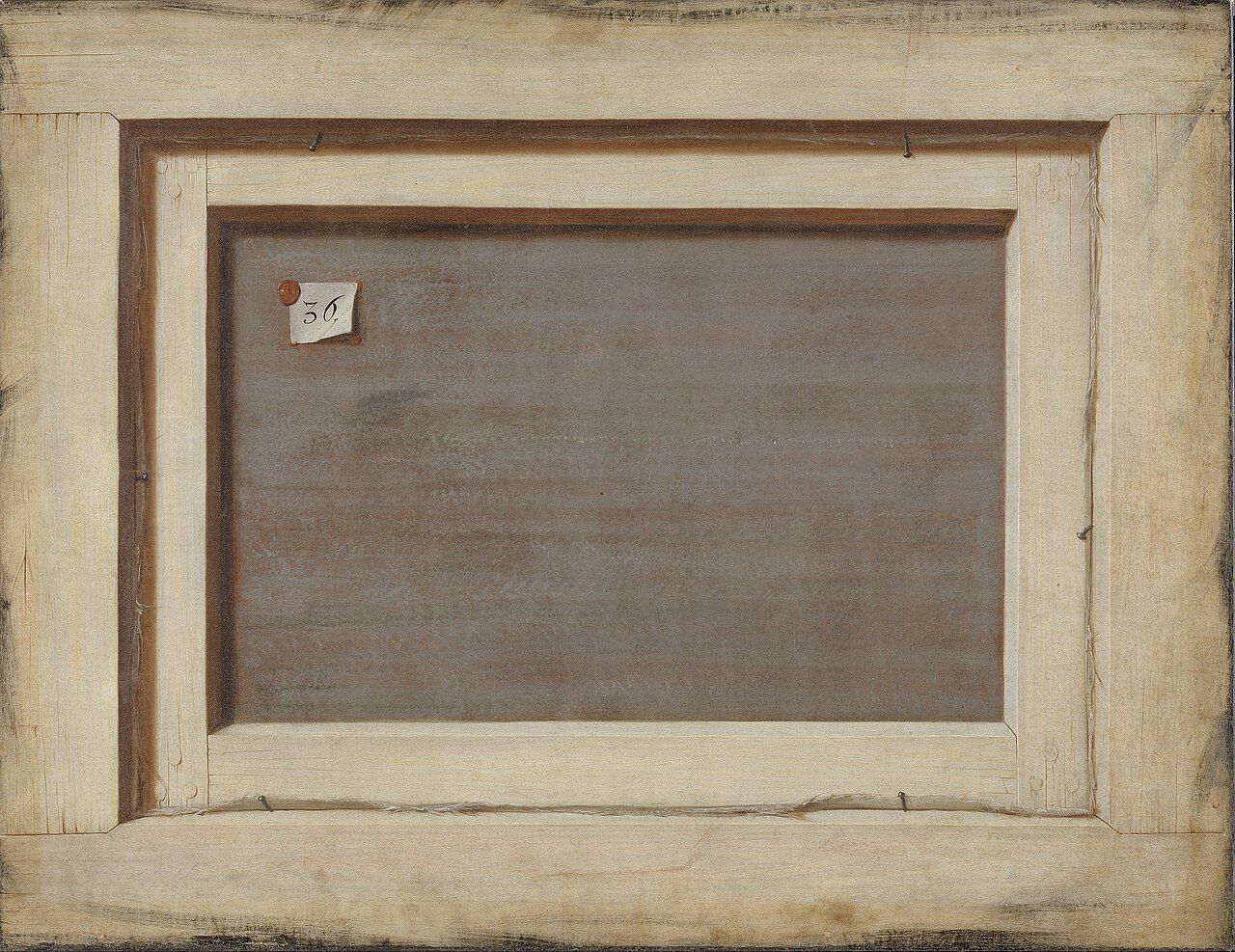
The images are public-domain artworks, engravings and drawings from Wikimedia Commons, resized. None of them appears on the sister sites.
| File | Work | Licence | Used on |
|---|---|---|---|
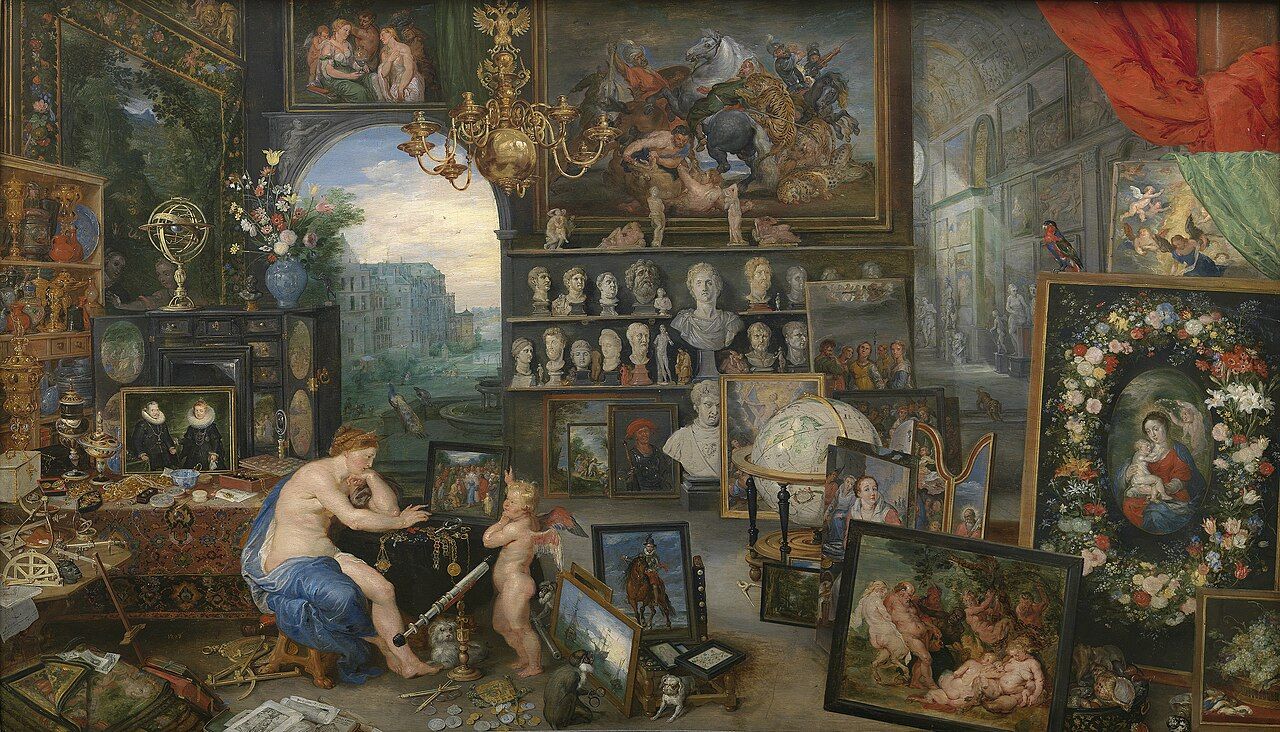
| brueghel-sight.jpg | Jan Brueghel the Elder and Peter Paul Rubens, The Allegory of Sight, 1617, Museo del Prado, Madrid | Public domain | Home, Compare, About |
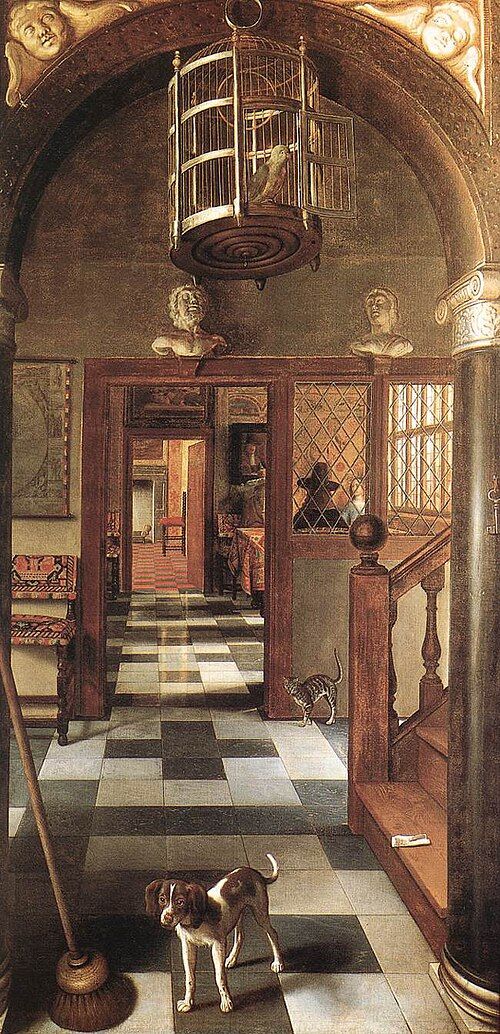
| hoogstraten-corridor.jpg | Samuel van Hoogstraten, View down a Corridor, 1662, Dyrham Park, Gloucestershire | Public domain | Deutsch |
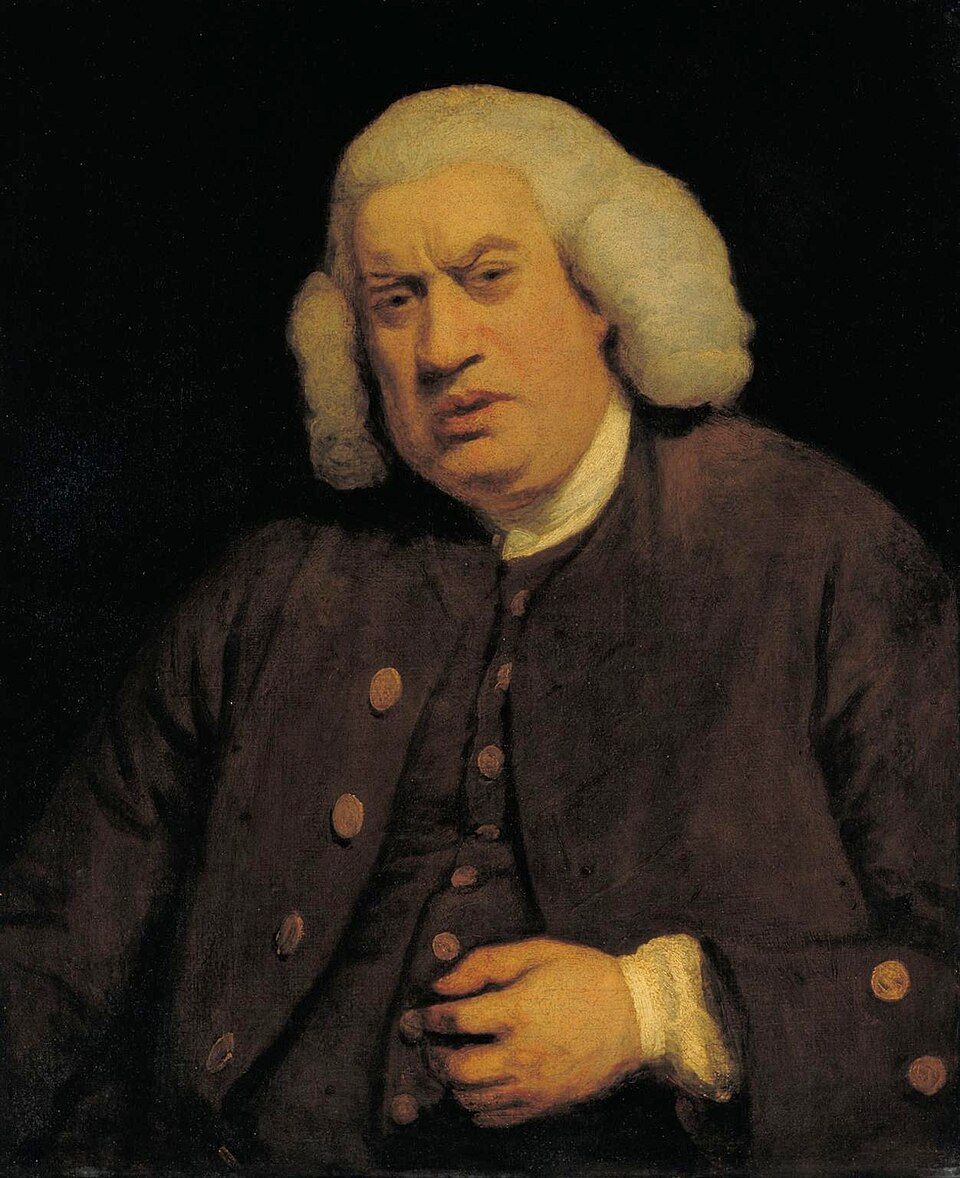
| reynolds-johnson.jpg | Sir Joshua Reynolds, Samuel Johnson, c. 1772 | Public domain | Deutsch |
| suvee-drawing.jpg | Joseph-Benoît Suvée, The Invention of the Art of Drawing, 1791, Groeningemuseum, Bruges | Public domain | Deutsch |
| monet-haystacks.jpg | Claude Monet, Haystacks (Effect of Snow), 1891 | Public domain | Deutsch |
| velazquez-meninas.jpg | Diego Velázquez, Las Meninas, 1656, Museo del Prado, Madrid | Public domain | Deutsch |
| barbari-pacioli.jpg | Attributed to Jacopo de' Barbari, Portrait of Luca Pacioli, 1495, Museo di Capodimonte, Naples | Public domain | Deutsch |
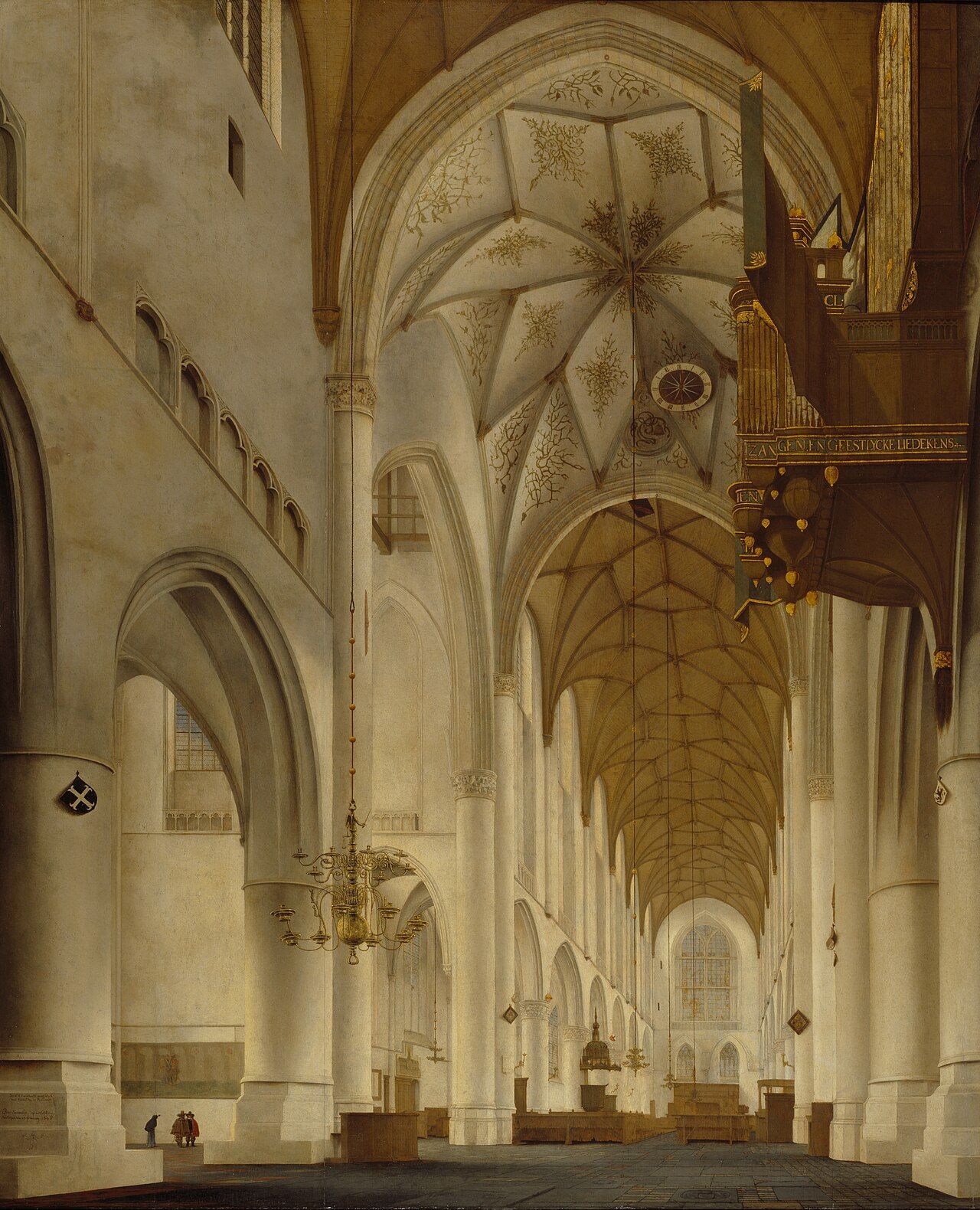
| saenredam-st-bavo.jpg | Pieter Saenredam, The Interior of St Bavo's Church, Haarlem, 1648, National Galleries of Scotland, Edinburgh | Public domain | Thinkers, Glossary, Reading |
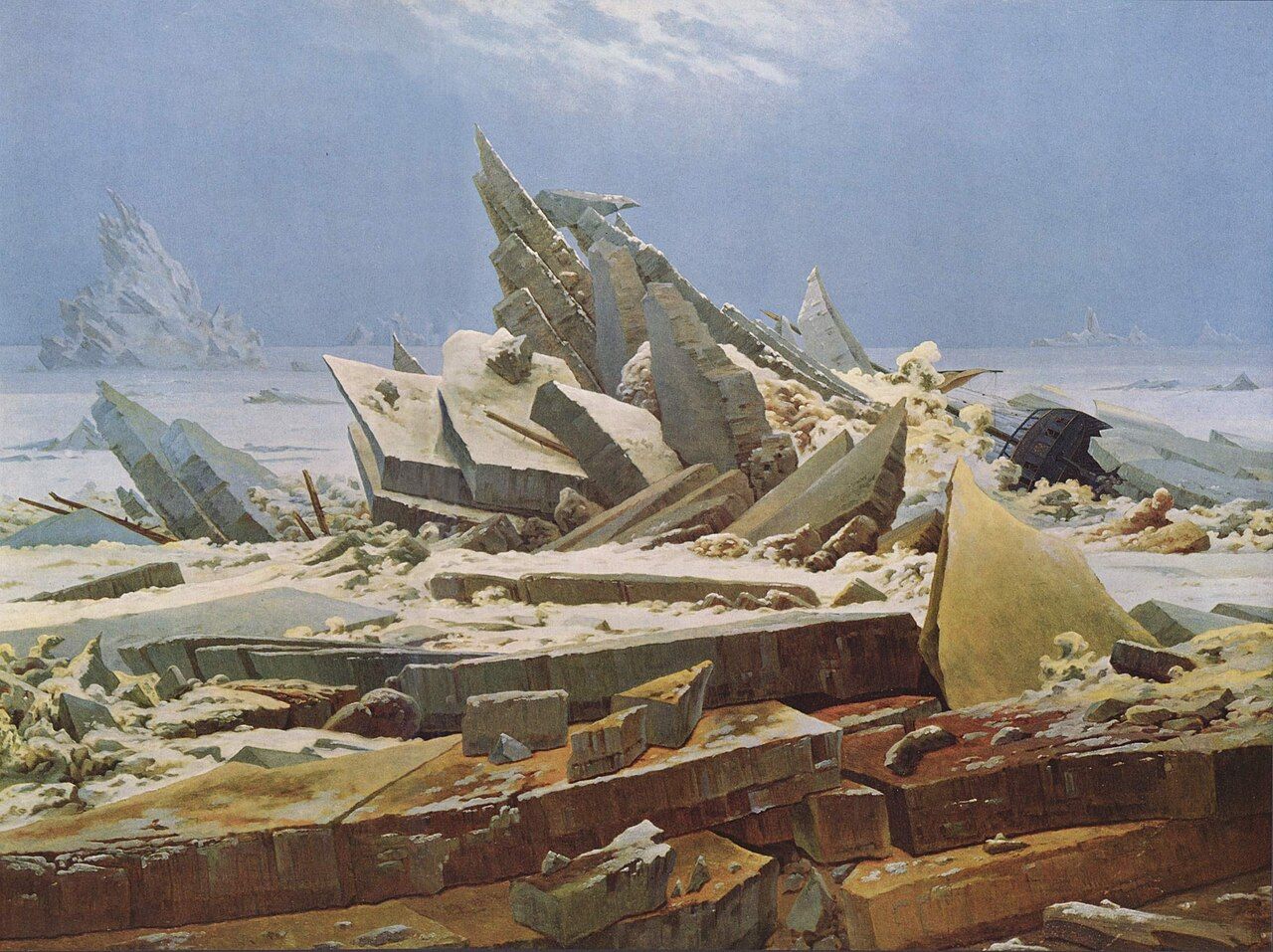
| friedrich-sea-of-ice.jpg | Caspar David Friedrich, The Sea of Ice, 1823–24, Hamburger Kunsthalle | Public domain | Parmenides |
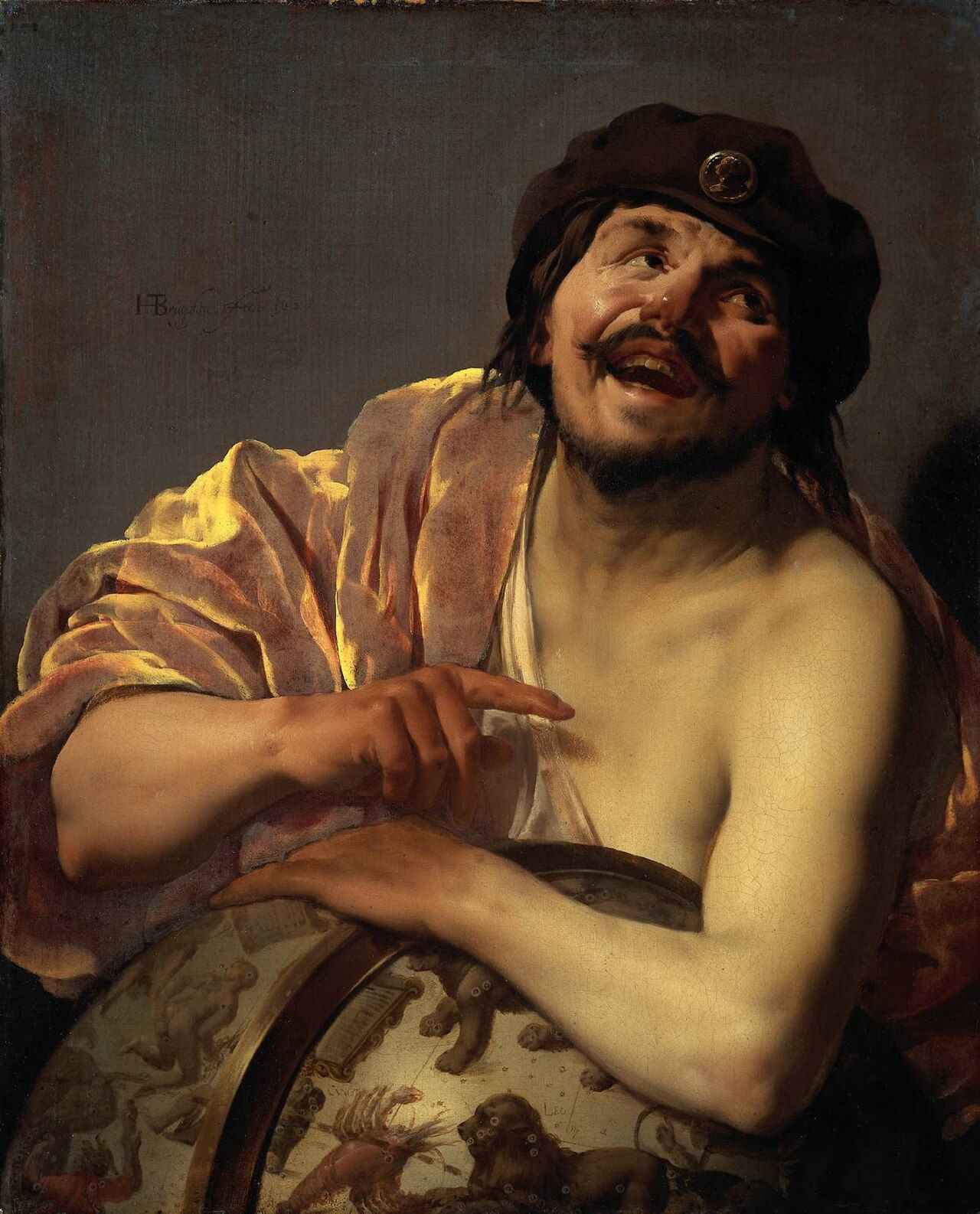
| terbrugghen-democritus.jpg | Hendrick ter Brugghen, Democritus, 1628, Rijksmuseum, Amsterdam | Public domain | Democritus |
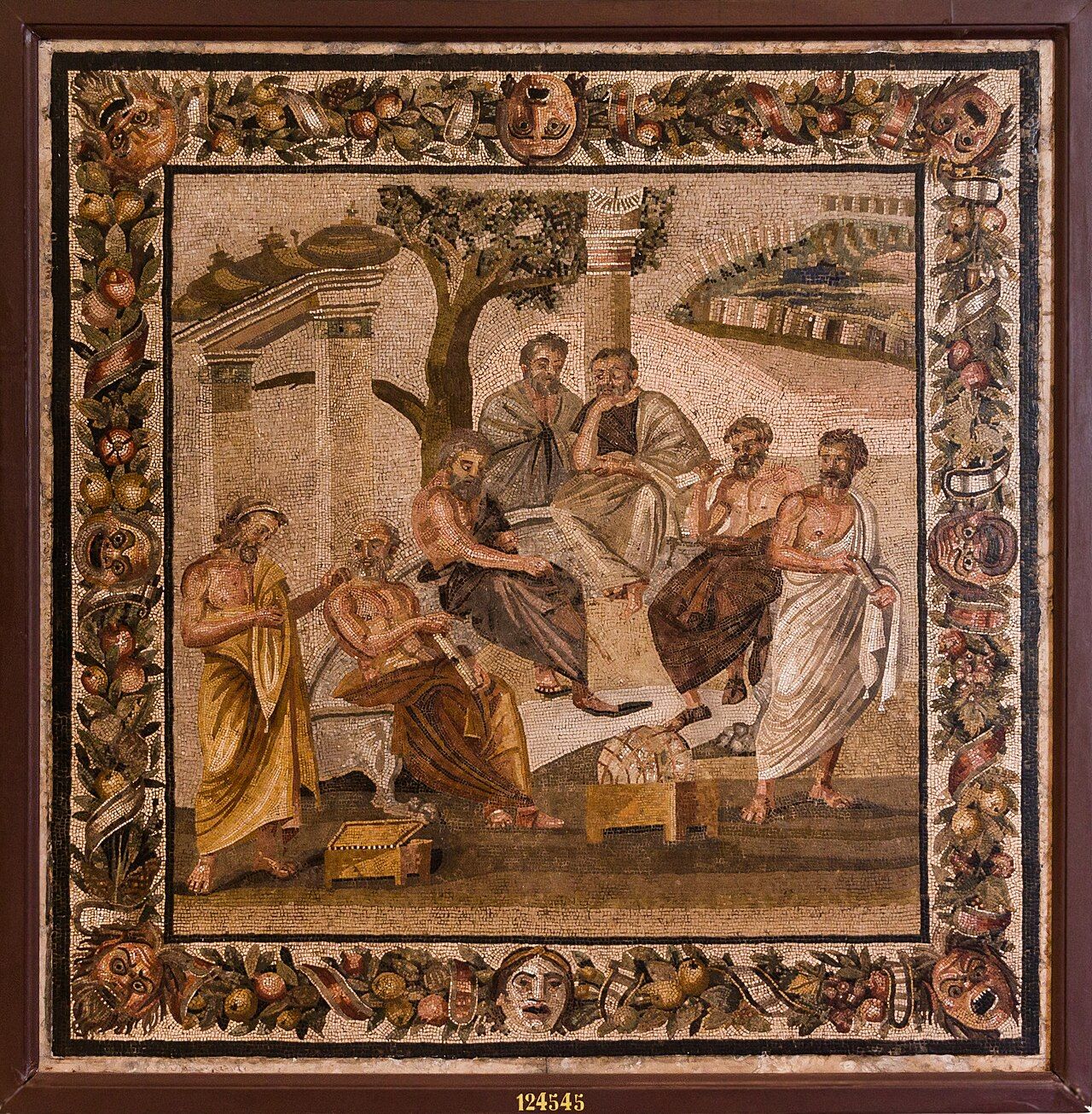
| plato-academy-mosaic.jpg | Plato's Academy, Roman mosaic from Pompeii, before AD 79, Museo Archeologico Nazionale, Naples | Public domain | Plato |
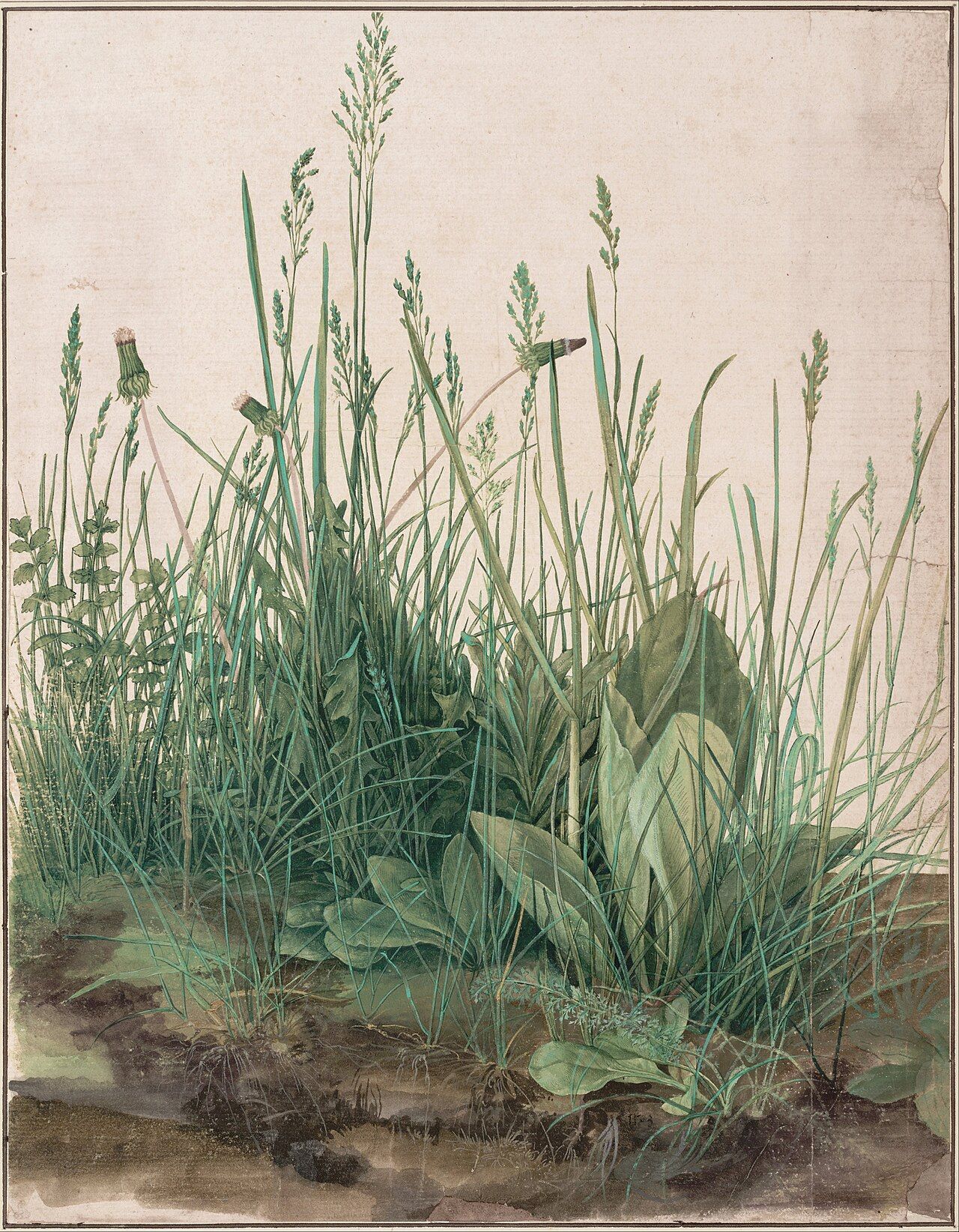
| durer-turf.jpg | Albrecht Dürer, The Large Piece of Turf, 1503, Albertina, Vienna | Public domain | Aristotle |
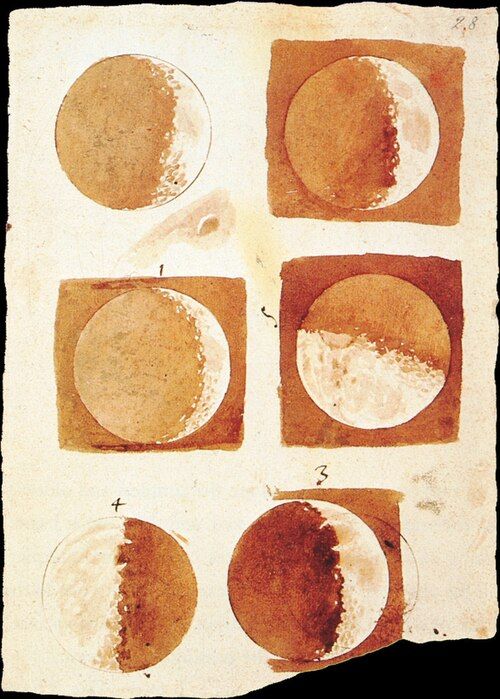
| galileo-moon.jpg | Galileo Galilei, the Moon in six phases, ink wash, 1609, Biblioteca Nazionale Centrale, Florence | Public domain | Galileo |
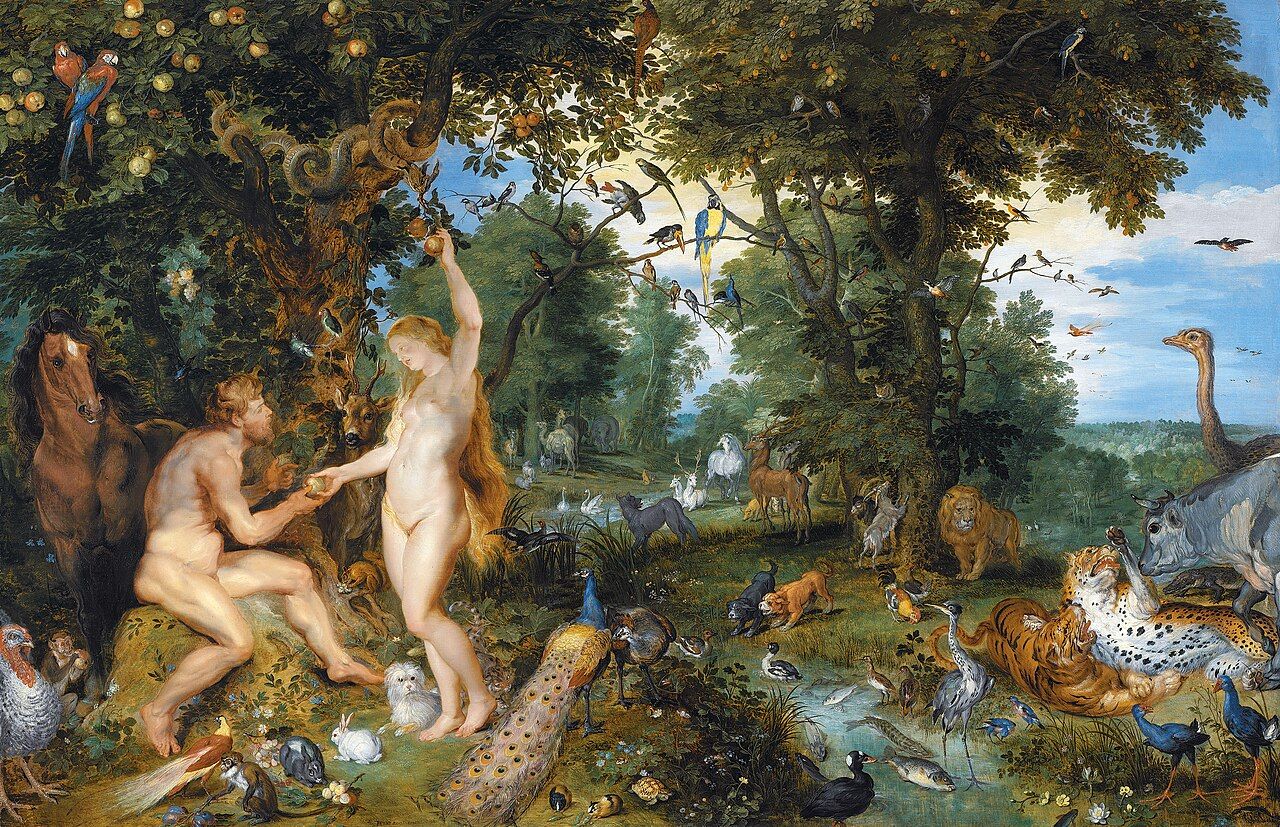
| brueghel-rubens-eden.jpg | Jan Brueghel the Elder and Peter Paul Rubens, The Garden of Eden with the Fall of Man, c. 1615, Mauritshuis, The Hague | Public domain | Leibniz |
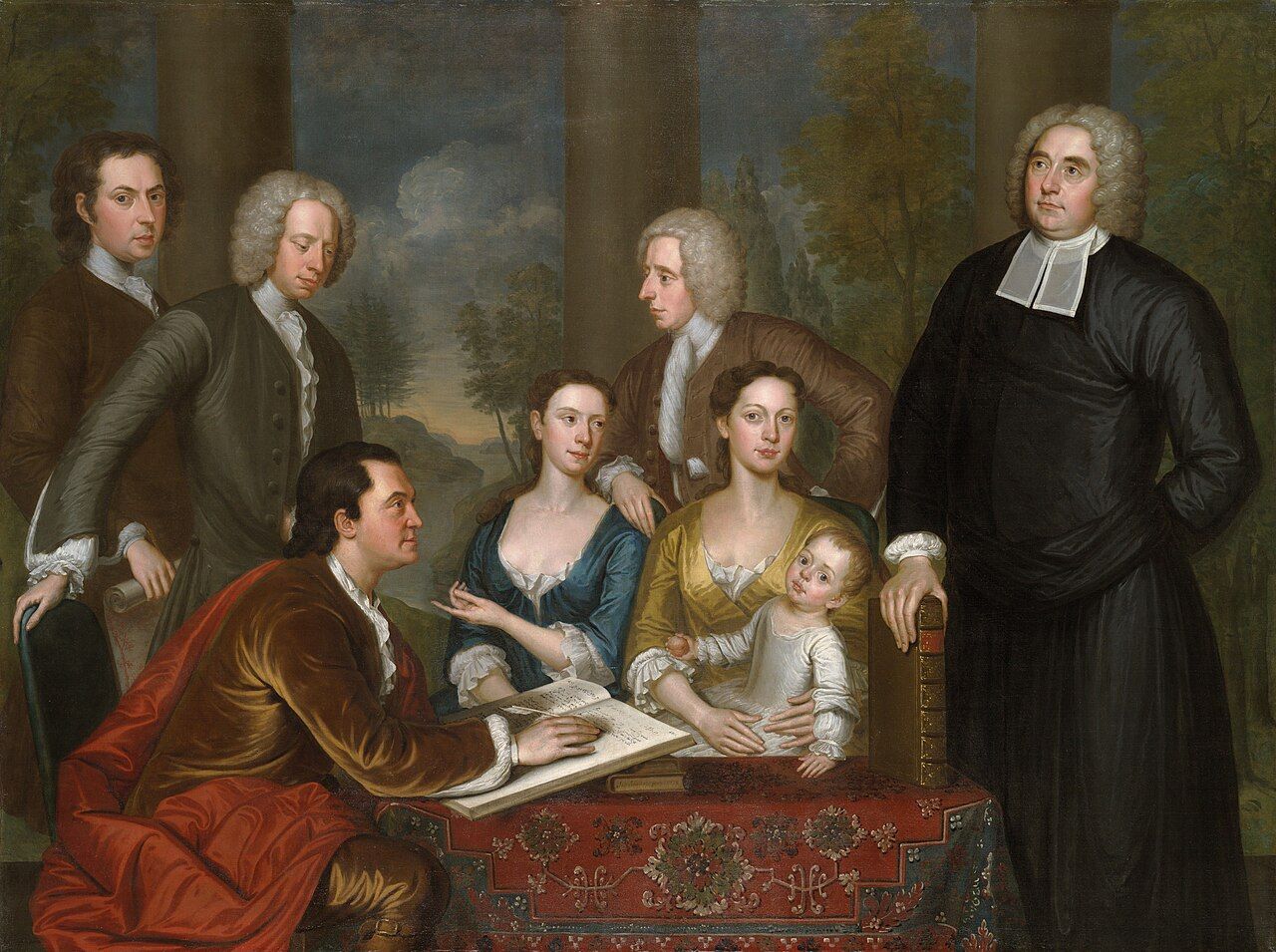
| smibert-bermuda-group.jpg | John Smibert, The Bermuda Group, begun 1728, Yale University Art Gallery | Public domain | Berkeley |
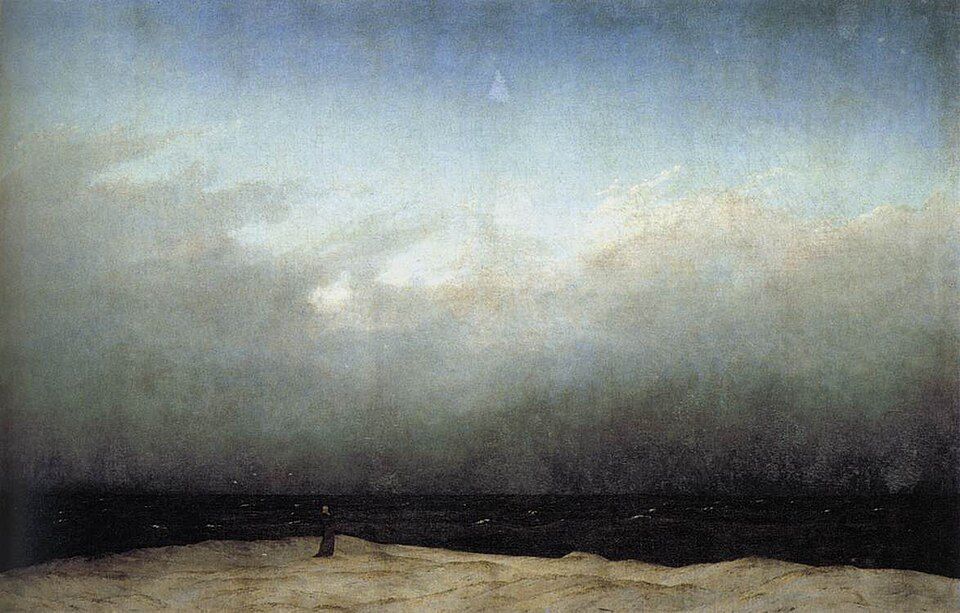
| friedrich-monk.jpg | Caspar David Friedrich, The Monk by the Sea, 1808–10, Alte Nationalgalerie, Berlin | Public domain | Kant |
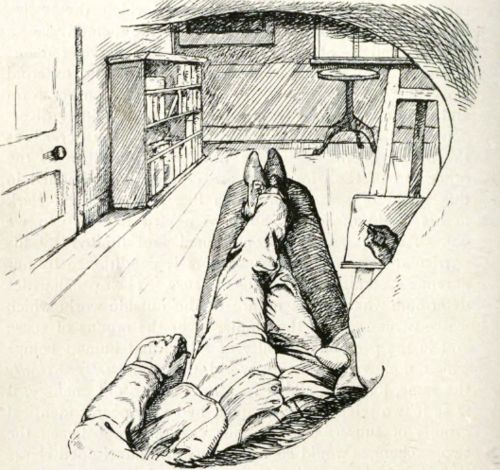
| mach-self-view.jpg | Ernst Mach, the view from the left eye, from The Analysis of Sensations, 1886, as reproduced in Karl Pearson, The Grammar of Science, 1900 | Public domain | Mach |
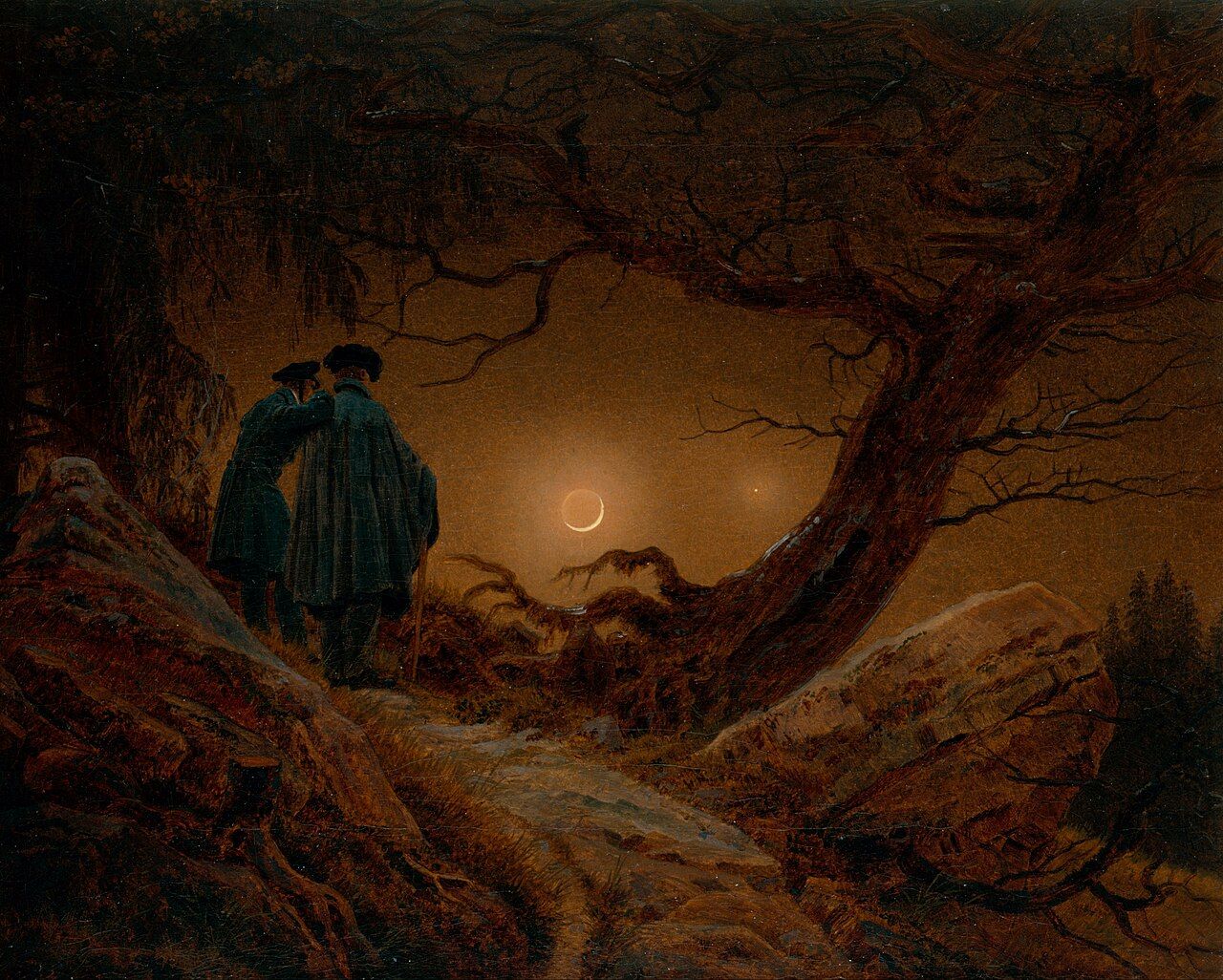
| friedrich-moon.jpg | Caspar David Friedrich, Two Men Contemplating the Moon, 1819–20, Galerie Neue Meister, Dresden | Public domain | Einstein |
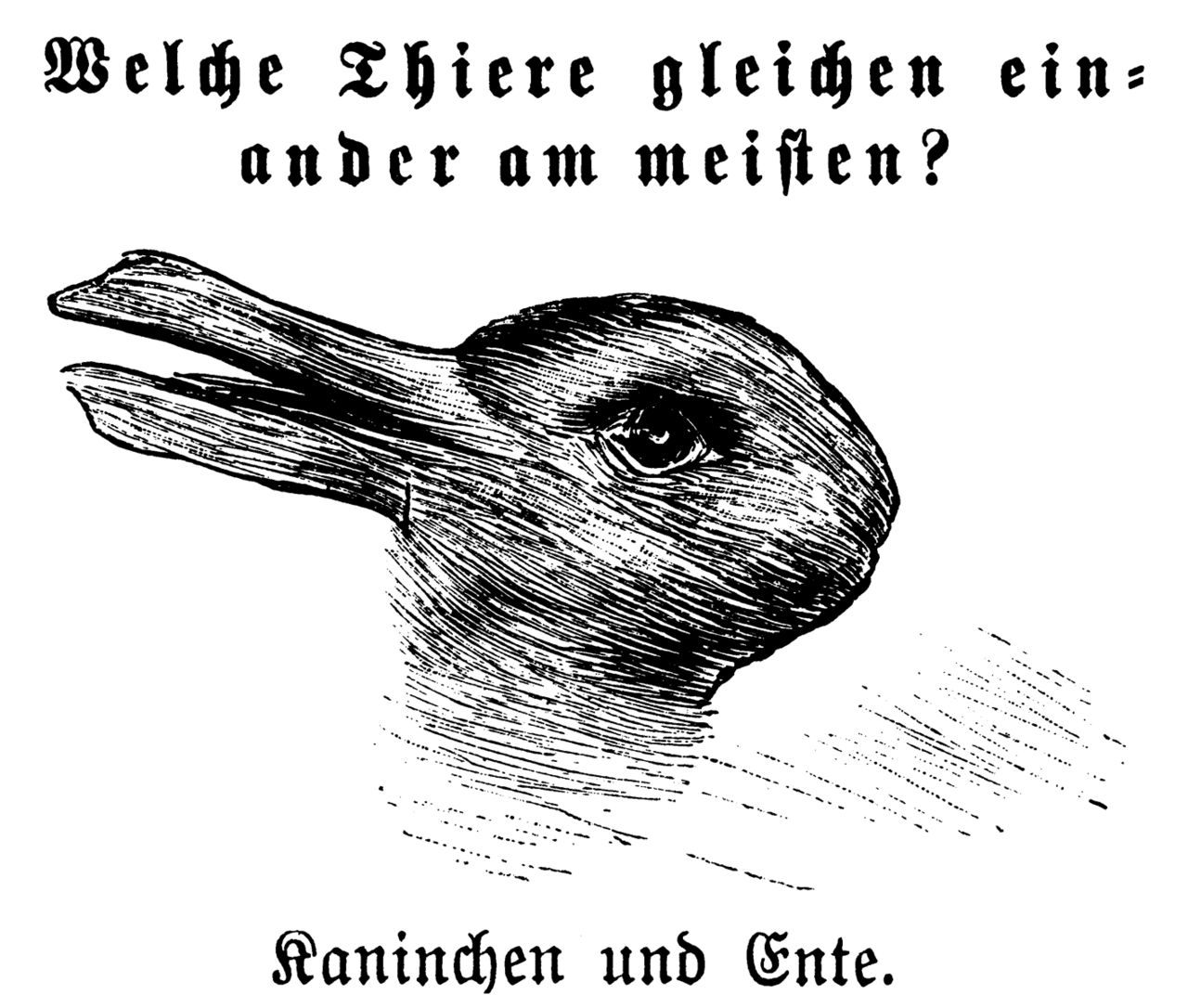
| duck-rabbit.jpg | Anonymous, "Kaninchen und Ente", Fliegende Blätter, 1892 | Public domain | Bohr |
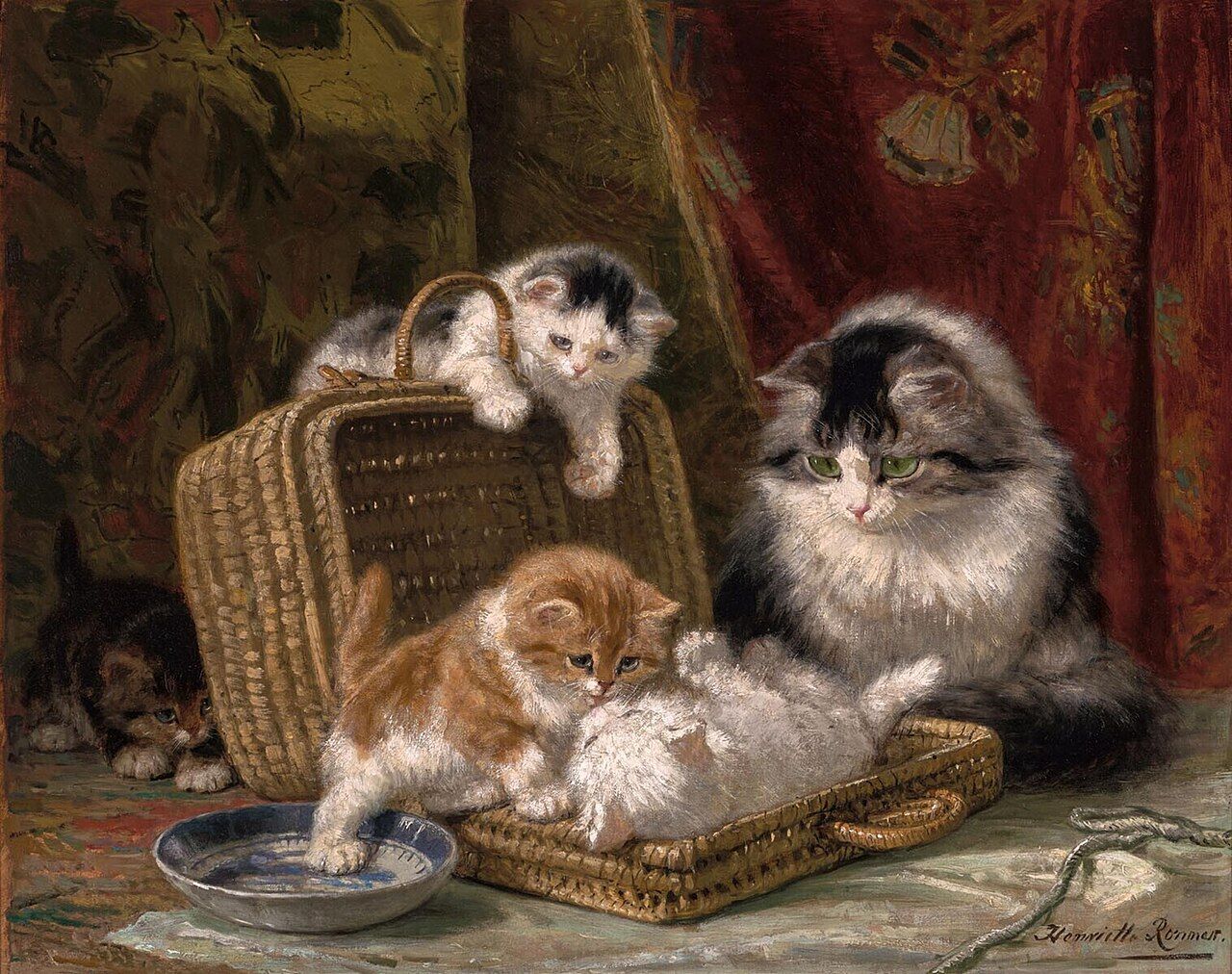
| schrodinger-cat.jpg | Henriëtte Ronner-Knip, Playing Kittens, Museum Boijmans Van Beuningen, Rotterdam | Public domain | Schrödinger |
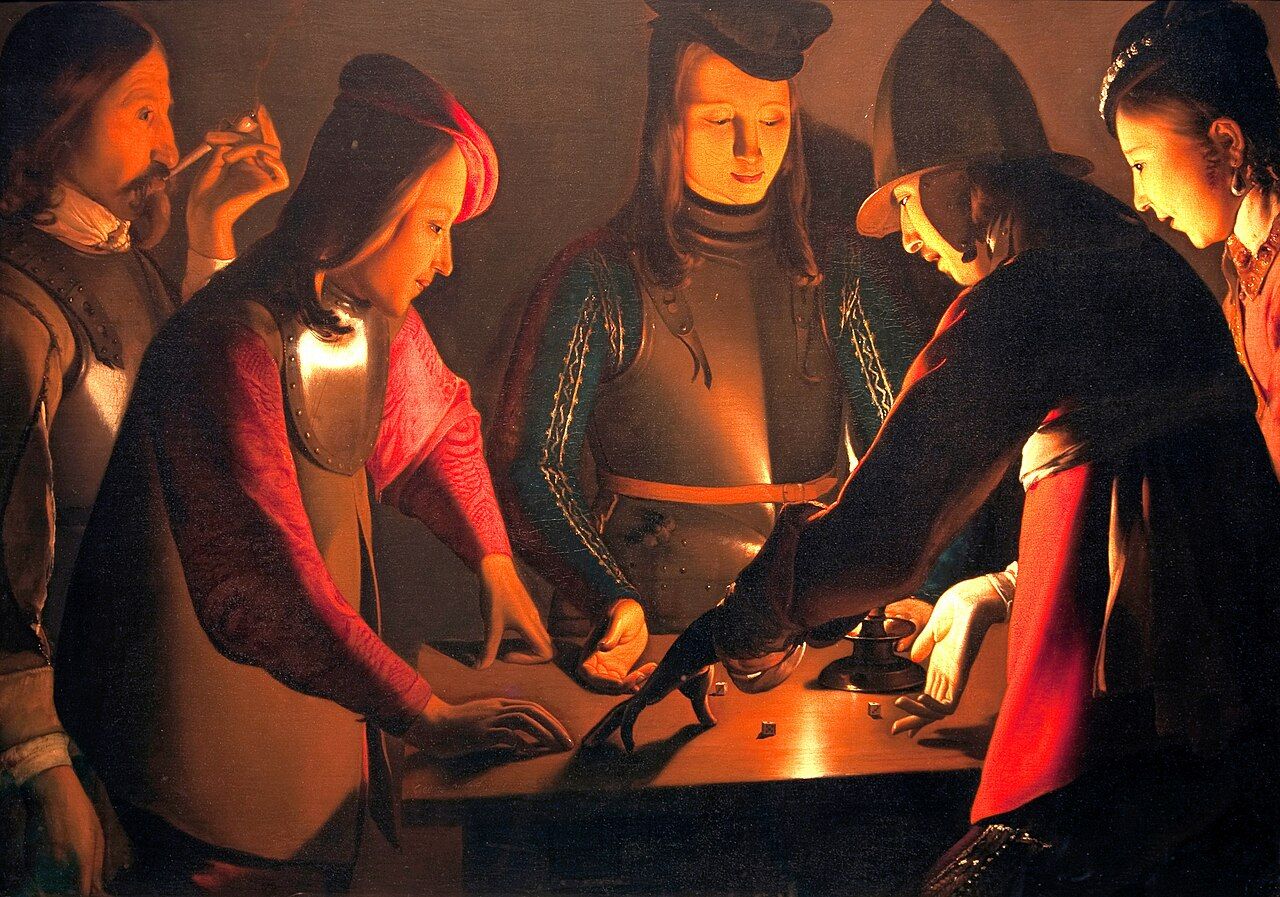
| latour-dice.jpg | Georges de La Tour, The Dice Players, c. 1651, Preston Park Museum, Stockton-on-Tees | Public domain | Popper |
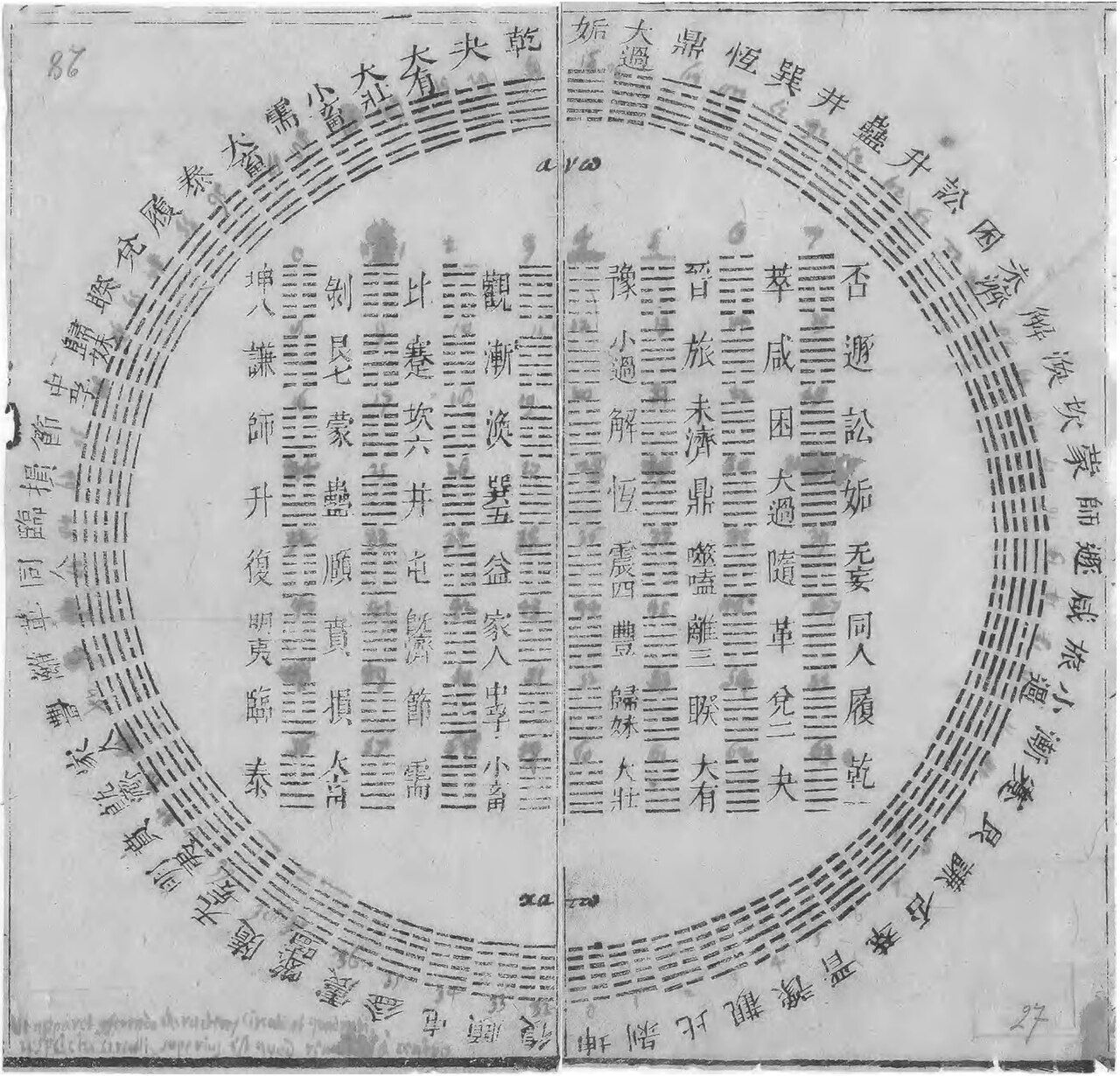
| leibniz-hexagrams.jpg | Diagram of the I Ching hexagrams sent to Leibniz by Joachim Bouvet, 1701 | Public domain | Wheeler |
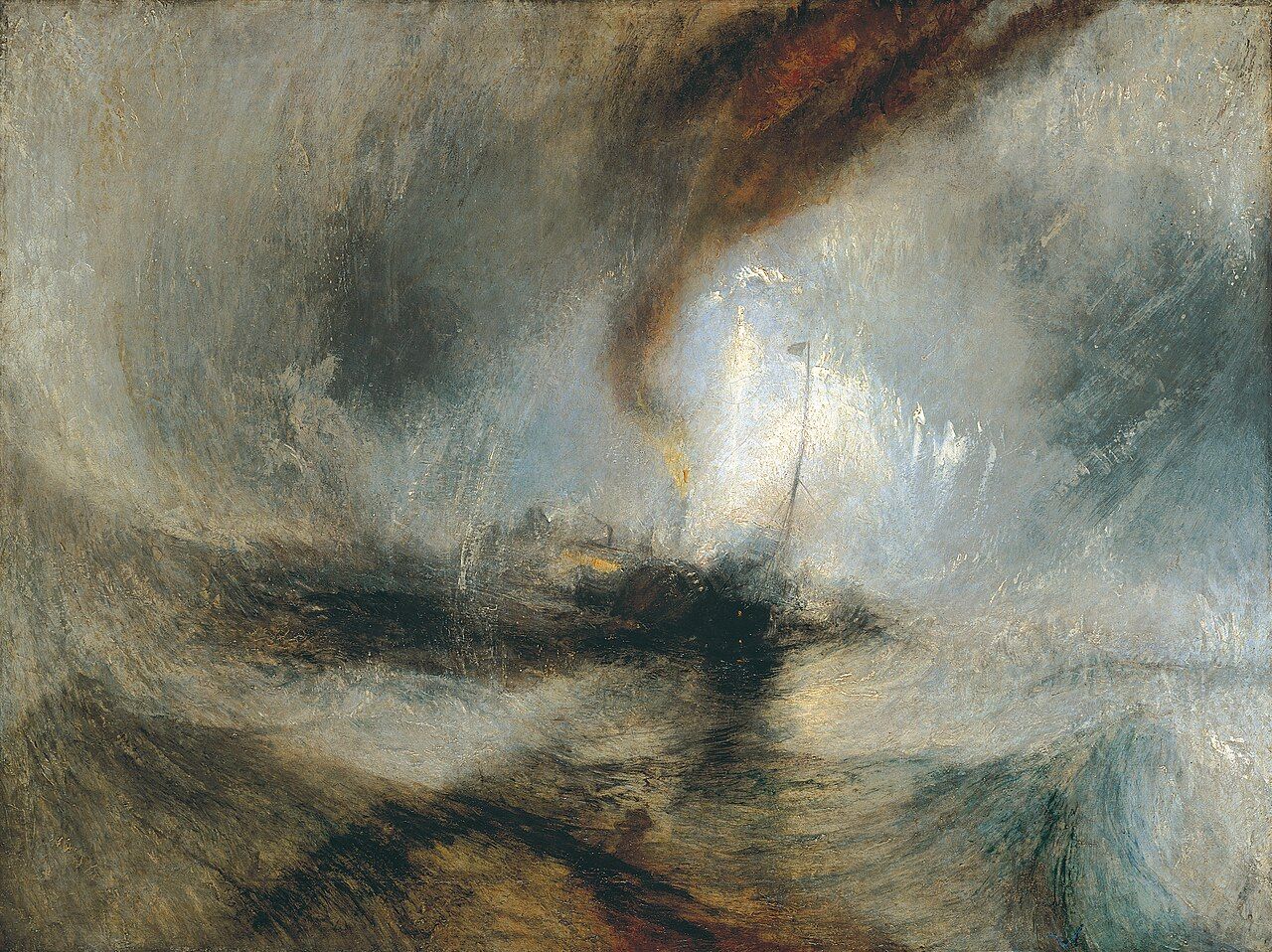
| turner-snow-storm.jpg | J. M. W. Turner, Snow Storm: Steam-Boat off a Harbour's Mouth, 1842, Tate Britain, London | Public domain | Bohm |
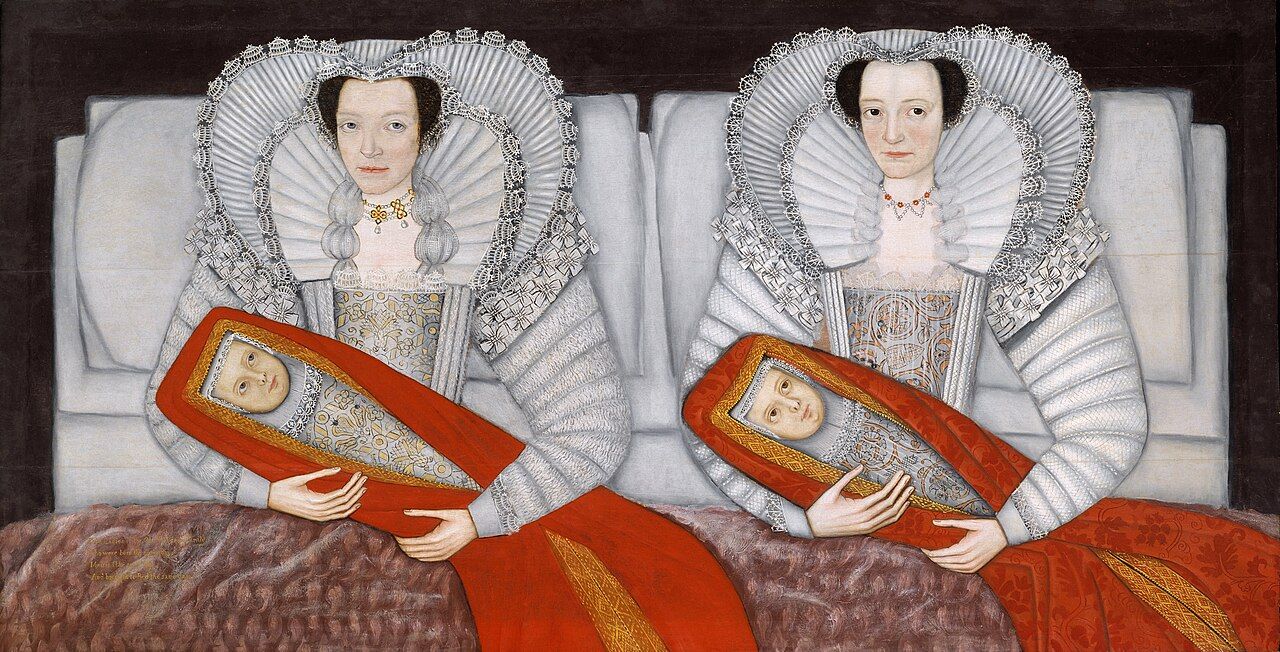
| cholmondeley-ladies.jpg | British School, The Cholmondeley Ladies, c. 1600–10, Tate Britain, London | Public domain | Bell |
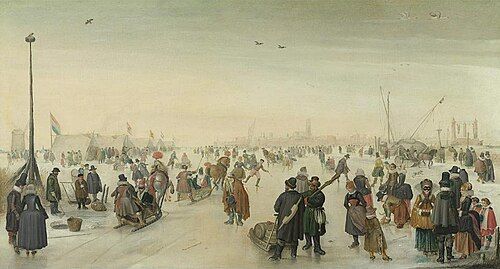
| avercamp-skaters.jpg | Hendrick Avercamp, Ice-skating near a Town, c. 1620, Rijksmuseum, Amsterdam | Public domain | Everett |
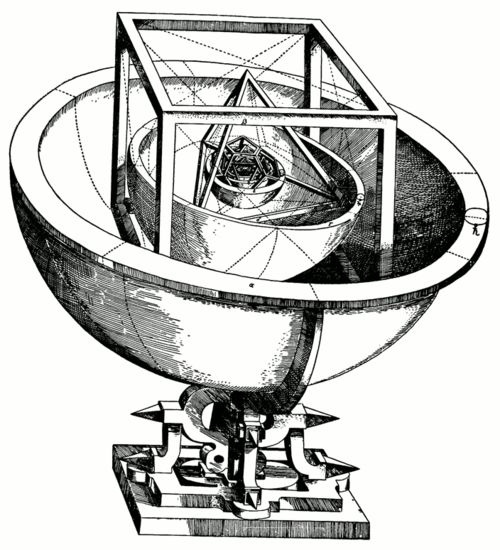
| kepler-solids.jpg | Johannes Kepler, planetary model of nested solids, from Mysterium Cosmographicum, 1596 | Public domain | Penrose |
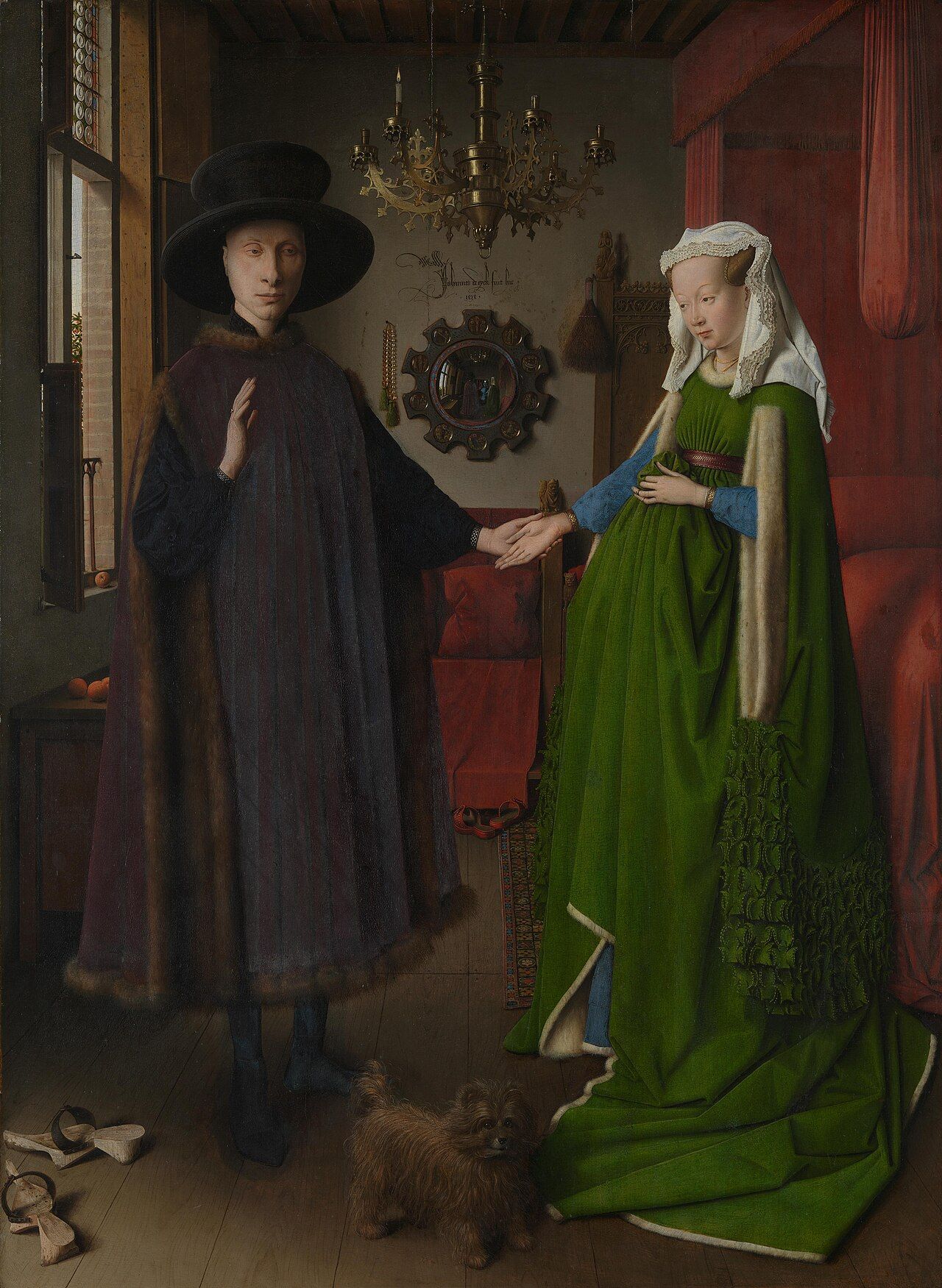
| van-eyck-arnolfini.jpg | Jan van Eyck, The Arnolfini Portrait, 1434, National Gallery, London | Public domain | Rovelli |
| blake-ancient-of-days.jpg | William Blake, The Ancient of Days, frontispiece to Europe a Prophecy, 1794 | Public domain | Tegmark |
| rousseau-tiger.jpg | Henri Rousseau, Surprised! (Tiger in a Tropical Storm), 1891, National Gallery, London | Public domain | Wallace |
| vermeer-balance.jpg | Johannes Vermeer, Woman Holding a Balance, c. 1664, National Gallery of Art, Washington | Public domain | QBism |
| gijsbrechts-reverse.jpg | Cornelis Norbertus Gijsbrechts, Trompe l'oeil: The Reverse of a Framed Painting, 1668–72, Statens Museum for Kunst, Copenhagen | Public domain | Bostrom and Hoffman |
A plain-text list with links to each source file is at /art/CREDITS.md.
How it is built
Plain HTML, CSS and JavaScript, with no trackers, no cookies and no web fonts. The figures are drawn in SVG and canvas by short scripts and respect the reduced-motion setting. The site follows your device's light or dark mode.